

Maximize Home Value Before Selling
Real Estate, Home Selling
I’m Selling! Why Would I Invest in a Home I’m Moving Out Of?
When one foot is already out the door, spending additional money on a home you’re about to leave can feel completely illogical. Yet smart, well‑planned updates before listing can mean a faster sale, less stress, and more money in your pocket at closing.
“I’m Selling” – What Buyers Really See When They Walk In
The moment you decide, “I’m selling”, your home stops being your private space and becomes a product on the market. Buyers are not walking through your memories – they’re evaluating a potential investment. They compare your home with every other one they’ve seen in recent days, often at high speed, scrolling through listings on their phone before they even book a showing.
In this context, the technical condition and visual appeal become a powerful lever. A home that looks “move‑in ready” feels safer, easier, and more valuable than one that clearly needs work. Even if buyers say they’re open to a fixer‑upper, they often still pay more for a property that looks finished and hassle‑free.
💡 Pro Tip: From the moment you decide to sell, start looking at your home through a buyer’s eyes, not an owner’s.
I’m Selling! Why Would I Invest in a Home I’m Moving Out Of?
This is one of the most common questions home‑staging professionals hear every day. At first glance, it’s easy to see where it comes from – emotionally, you’re already in your next place, so investing in your current home feels like it goes against common sense. Yet there are many very concrete reasons why it’s worth preparing a property before showing it to the wider market. Let’s look at a few of them.
The key is a shift in perspective – stop thinking of it as “spending money” and start treating it as positioning a valuable asset on the market. You’re no longer decorating a home for yourself; you’re investing in how attractive and competitive your property will appear compared to other listings.
1. Who Is Actually Buying Your Home?
Whether you like it or not, the buyer decidesif your home sells, when it sells, and for how much. You can have your expectations, dreams, and ideas, but the real negotiating power ultimately sits with the person making an offer. A good home‑staging specialist knows which target group is most likely to buy your property and will suggest solutions that speak directly to that group.
Right now, the largest group of buyers are millennials. The younger part of this generation is still often renting, but as they hit their thirties and think about stability, they want their own version of the “ideal home.” And they’re very clear about one thing: they want a move‑in‑ready property.
Why? First, many of them are dealing with student loans and other obligations. Every possible dollar goes toward their down payment, and they simply don’t have extra budget for “fixing” what the previous owner didn’t get around to or didn’t want to do. Second, this generation doesn’t dream of weekends with a hammer in hand. They want to enjoy life, not learn how to patch walls or replace tiles.
You may be emotionally “done” with this property, but for them it’s a new home. They expect it to look and feel like their place from day one. Research shows they crave that “new home effect” so much that they are willing to pay more for a house that delivers it. If you list your property “as is,” you risk:
waiting longer for a buyer than you planned, or
receiving lower offers than you expect, because buyers will “deduct” the cost and effort of bringing the home up to the standard they want.
2. Small Investments Can Deliver Above‑Average Returns
Not every change means a full renovation. Very often, the best way to prepare a home for sale is through simple, neutral, and relatively inexpensive steps:
fresh, light paint in neutral colors to brighten dark or dated rooms
basic yard work and exterior touch‑ups to improve curb appeal
replacing worn‑out hardware, outdated light fixtures, or cracked outlets
professional deep cleaning and decluttering so rooms feel larger and more open
Changes like these often pay for themselves and then some, because they influence how buyers emotionally experience your home. A property that looks well cared for encourages stronger offers and reduces the temptation to negotiate big discounts “because everything will need to be redone anyway.”
3. Fixing Problems Now Saves You Headaches Later
Even if you’re not planning explicitly “cosmetic” upgrades, it’s smart to tackle maintenance and technical issues before listing. Buyers almost always order a home inspection, and bigger defects have a way of surfacing at the worst possible moment – right in the middle of negotiations, when emotions are high and timelines are tight. At that point, you may feel pressured into big price cuts or rushed repairs on terms dictated by the other side.
If you deal with obvious problems in advance – like a leaking roof, plumbing issues, or loose railings – you stay in control. You choose the contractor, the price, and the timing, while giving buyers fewer reasons to chip away at your asking price.
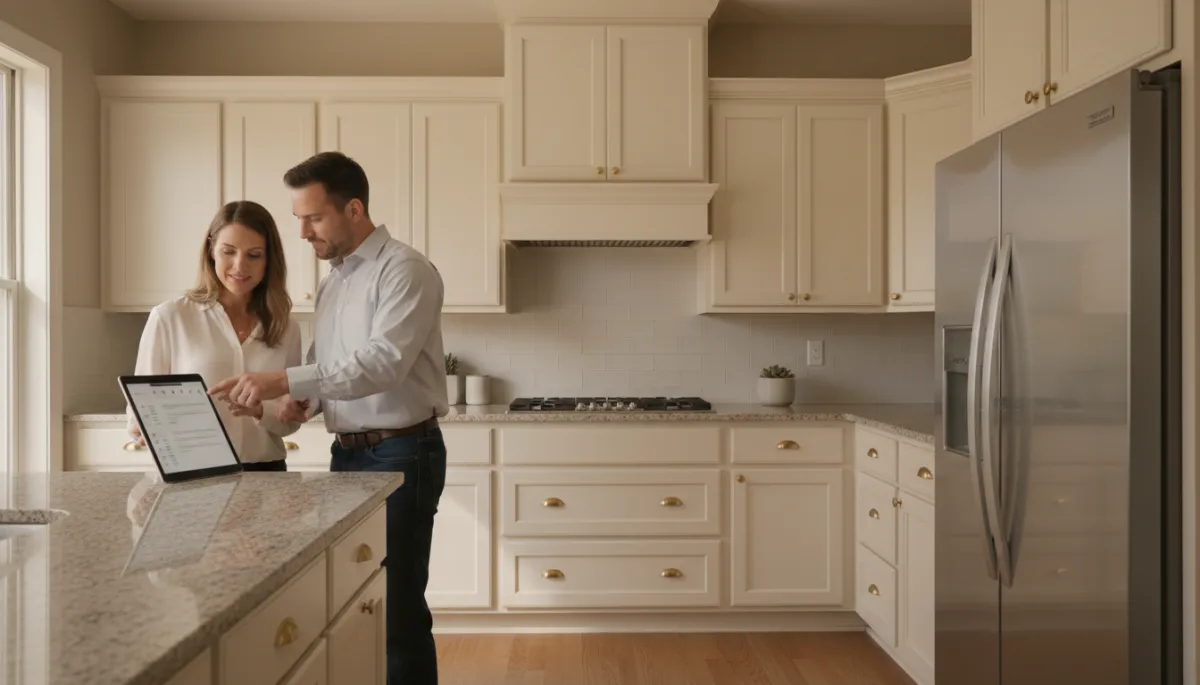
Handling small repairs before listing usually costs less than the discounts buyers will demand later.
4. Better Presentation Can Mean a Faster, Calmer Sale
The longer a home sits on the market, the more buyers start to wonder, “What’s wrong with it?” Thoughtful preparation before listing helps show your property in the best possible light from day one, which can translate into more interest in those crucial first weeks. More interest usually means more showings, more offers, and a stronger negotiating position for you.
A well‑prepared home also reduces day‑to‑day stress. Fewer repairs during the transaction, fewer unpleasant surprises, and a more predictable path to closing let you focus on your next chapter instead of constantly putting out fires in a house you’ve already left behind in your mind.
5. You Don’t Have to Fix Everything
None of this means you should pour a fortune into a full renovation you won’t even have time to enjoy. The key is balance. Together with a trusted real estate agent and – if possible – a professional stager, it’s worth deciding:
which projects are likely to truly pay off in your specific market,
what absolutely must be fixed for safety reasons or to satisfy lenders,
which issues you can simply disclose and factor into the price instead of repairing.
📌 Key Takeaway: The goal isn’t perfection – the goal is a clean, well‑kept home that makes it easy for buyers to say “yes.”
Home Staging – The One Selling Service Whose Value You Can Measure
No matter whether the market is hot, cold, or somewhere in between, professional staging remains a powerful marketing tool that shouldn’t be dismissed just because it requires some upfront cost. If you want to maximize your ROI, why wouldn’t you treat your home the same way you treat anything else you sell?
Think about a car – before you list it for sale, you wash it, vacuum it, buff out small scratches, maybe get it serviced. All so it looks its best and feels well maintained. A home is often the biggest investment of your life, yet many people expect to get the highest possible price, in the shortest possible time, with zero effort and no expenses. Does that sound realistic?
Today, about 97% of buyers start their search online, which means you need great photos to stand out from the competition and make it onto the “must‑see” list. A professionally prepared and styled home photographs better, attracts more clicks, and is more likely to end up in buyers’ viewing schedules. Don’t play “capital roulette” with your property – your real competition is new construction, so your home should look and “feel” as close to new as possible.
If you don’t, many younger buyers will simply scroll on to the next listing.
Your Final Investment in This Home Is Really an Investment in the Next One
When you look at the numbers, investing in the home you’re leaving often makes far more sense than it seems at first. A few thoughtful changes can help you sell faster, negotiate with more confidence, and ultimately walk away from the table with a higher net amount – money you can put toward your next home, savings, or other plans.
So if you catch yourself thinking, “I’m selling – why would I put even one more dollar into this place?”, try asking a different question: “What small, strategic investments now will help me achieve the best possible outcome when I hand over the keys?” That’s where the real value lies.