
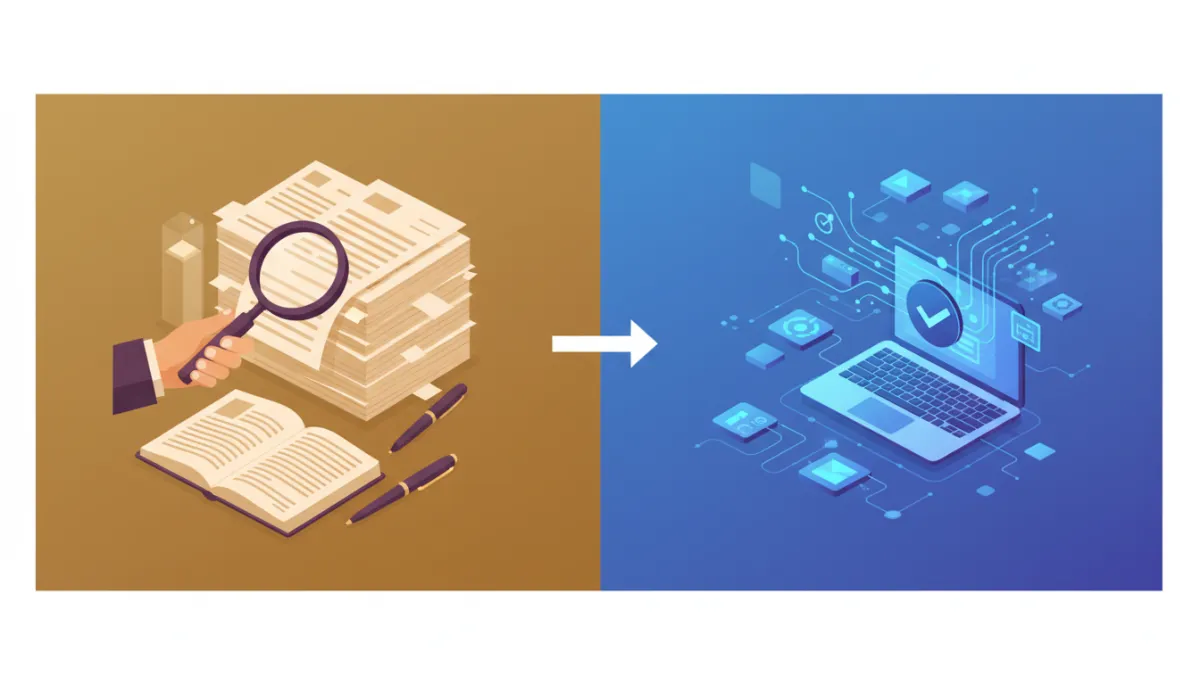
Manual vs. Automated Underwriting Explained
Mortgage Lending, Underwriting, Home Loans
Manual vs. Automated Underwriting: How Your Home Loan Is Really Approved
Underwriting is the behind-the-scenes review that determines whether your mortgage is approved, what it costs, and how smoothly closing goes. Understanding the difference between manual and automated underwriting can ease anxiety, set expectations, and help you work more confidently with a lender like Morning Sky Lending.
What Is Underwriting, Really?
At its core, underwriting is the process of making sure a loan complies with the guidelines for the type of loan being requested. The underwriter checks that your income, assets, credit, and property all meet the rules set by investors and agencies so the loan can ultimately be sold and the lender can replenish funds to keep making new loans. That review can be a deep, line-by-line look at your file—or a quick “drive-through” pass with far less scrutiny—depending on the situation and the tools the lender uses.
A Look Back: When All Underwriting Was Manual
Early on, when many experienced professionals first entered the mortgage business, every loan was manually underwritten. There was no other alternative. Before an underwriter at a company like Morning Sky Lending ever saw the file, it had to be thoroughly documented and neatly packaged by the loan officer and support team.
A fully completed application was required upfront, along with:
Recent bank statements
Paycheck stubs
W-2 forms
Tax returns, often for two years or more
Everything an underwriter might need had to be in the file from the start. If something was missing or unclear, the underwriter would simply send the file back to the loan officer. Interestingly, the actual underwriting decision didn’t necessarily take long—often less than half an hour—as long as the file was complete. The real delay came from physically reviewing thick paper files and waiting for borrowers to track down additional documents.
Today’s Reality: How Automated Underwriting Works
Today, almost every mortgage file is first run through an automated underwriting system (AUS). Instead of flipping through paper, the lender enters your application into a digital platform that connects to credit reporting and other data sources. In just a few moments, the system:
Reviews your application details electronically
Pulls your credit scores and credit history
Compares your profile to established loan guidelines
Produces “findings” that list the exact documentation needed for final approval
Those findings are a roadmap for both the lender and the borrower. They outline what must be collected so the loan can be cleared for closing and later sold to investors—an essential step that provides lenders with fresh capital to continue making new loans. This is where automation shines: it turns what used to be guesswork and back-and-forth into a clear, efficient checklist.
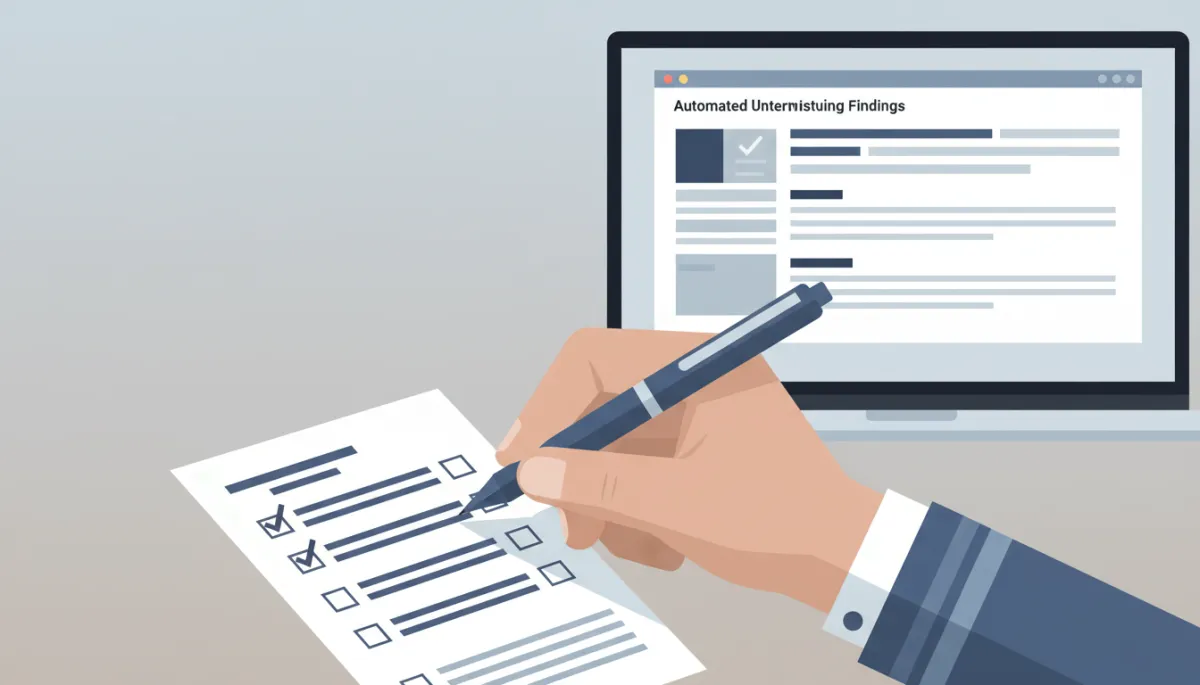
Automated findings give lenders a precise checklist, speeding up approval and closing.
Key Differences Between Manual and Automated Underwriting
While both methods aim to answer the same question—“Does this loan meet the rules?”—they go about it differently:
Speed: Automated underwriting delivers an initial decision in minutes, while manual underwriting can take longer due to detailed, person-by-person review.
Consistency: Automated systems apply the same rules the same way every time; manual underwriting relies on a human expert’s interpretation of guidelines.
Flexibility: Manual underwriting can consider nuances and explanations—such as a short employment gap—that software might initially flag as risky.
Documentation: Automated approvals often require fewer documents for strong files, while manual underwriting tends to be more document-heavy from the start.
Why Lenders Use Both Manual and Automated Underwriting
You might wonder: if automated underwriting is so fast, why not use it for everything and call it a day? In practice, lenders like Morning Sky Lending rely on both approaches because they serve different purposes and borrowers.
Efficiency for straightforward loans: For borrowers with strong credit, stable income, and a solid down payment—say 20% or more—automated systems usually approve the file with minimal additional documentation. This keeps costs and timelines down for everyone.
Flexibility for complex situations: When a file doesn’t fit neatly into automated guidelines, a human underwriter can step in. Manual review allows for context, explanations, and policy exceptions when they are permitted and make sense.
Risk management: Automation helps maintain consistency and compliance, while manual underwriting provides a safety net for edge cases and higher-risk loans that need extra scrutiny.
💡 Key Takeaway: Automated underwriting handles the routine work quickly; manual underwriting steps in when your story needs a human to connect the dots.
How Loan Quality Affects Documentation Requirements
The quality of the loan application—things like your down payment, credit score, and debt-to-income ratio—plays a big role in how much documentation you will be asked to provide. For a borrower with a good-sized down payment, around 20% or more, and strong credit, the automated findings may only require a few updated items, such as the most recent bank statements or paycheck stubs. The stronger the overall profile, the shorter the checklist tends to be.
On the other hand, if your situation is more complex—self-employment, multiple income sources, recent credit challenges—the system and the underwriter will likely need more documentation. That does not mean your loan will be denied; it simply means more information is needed to keep the file in full compliance with guidelines.
Common Underwriting Requests: What They Mean for You
When your application is submitted, it is normal for the underwriter to ask for additional information or clarification. These requests are routine and are not a sign that something is “wrong.” Instead, they are a positive indication that your loan is eligible for approval, provided the requested items are supplied.
Updated bank statements to show current balances
New paycheck stubs to confirm ongoing income
Letters of explanation for credit inquiries or employment gaps
Clarification on large deposits or unusual account activity
Whatever is being requested is simply to keep the file in compliance with the rules attached to that loan program. The best approach is to provide what is needed promptly and move forward; doing so helps your lender keep the process on track and your closing date in sight.
Bringing It All Together as a Borrower
Manual and automated underwriting are not competitors; they are complementary tools that lenders use to balance speed, fairness, and responsible lending. Automation helps deliver quick, consistent decisions and shorter paperwork lists for strong files. Manual underwriting adds human judgment, making room for real-life complexity when guidelines allow it.
When you understand how both methods work—and why lenders use them—you can approach the mortgage process with greater confidence. Work closely with your loan officer, respond quickly to documentation requests, and remember that each step, whether automated or manual, is designed to help ensure your loan is sound, saleable, and set up for long-term success.