

Flip Houses Right: 5 Steps to Profit & Purpose
Real Estate, House Flipping, Investment
How to Flip a House the Right Way: 5 Essential Steps to Profit and Purpose
Reality TV has turned house flipping into prime-time entertainment, showing investors walking away with nearly $50,000 in profit after just a few weeks of work. Behind the dramatic reveals and fast timelines, though, is a very real business that can be both lucrative and honest, helping buyers find homes they truly love—when it’s done correctly.
Why House Flipping Is So Popular Right Now
Over the last decade, reality TV shows have glamorized house flipping. Viewers watch ordinary-looking properties transformed into stylish homes in under an hour of screen time, with on‑screen graphics proudly announcing profits that often approach nearly $50,000 per project. It’s no surprise that many people now see flipping as a fast track to financial freedom.
What these shows sometimes gloss over is the planning, research, and discipline behind those impressive numbers. When you strip away the TV drama, house flipping is a serious, honest business. Done well, it creates win‑wins: investors earn a solid return, neighborhoods improve, and buyers get move‑in‑ready homes that feel like a dream come true. The key is simple but non‑negotiable: you must do the job right.
📌 Key Takeaway: Flipping can be genuinely lucrative and ethical, but only if you combine profit goals with quality work and smart planning.
Step 1: Research the Real Estate Market
Every successful flip starts with understanding the local market. This goes beyond checking average sale prices—you need to study neighborhood classifications and trends. Are you looking at an up‑and‑coming area, a stable family neighborhood, or a luxury market? Each comes with different buyer expectations, renovation standards, and resale timelines.
Identify which neighborhoods are growing, which are declining, and which are already at peak pricing.
Study recent sales of similar homes to see what renovated properties actually sell for—not just what they list for.
Learn what features matter most in that area: updated kitchens, extra bedrooms, home offices, or outdoor space.
💡 Pro Tip: Focus on neighborhoods where renovated homes sell quickly. Speed to sale is just as important as the final price.
Step 2: Set a Budget and a Plan
Those TV‑worthy profits only happen when you respect your budget constraints. Before you buy anything, map out your numbers: purchase price, closing costs, renovation expenses, holding costs (like utilities, taxes, and insurance), and your target profit. A realistic plan keeps you from over‑improving a home or chasing design trends that buyers in your market won’t pay for.
Build in a contingency fund—10–15% of your renovation budget—for surprises behind the walls.
Decide in advance which upgrades are non‑negotiable (safety, structure) and which are optional (high‑end finishes).
📌 Key Takeaway: A clear budget and timeline protect your profit and help you deliver a quality home without cutting corners.
Step 3: Find the Right House
Not every cheap property is a good flip. The condition of the house and its location must match your skills, budget, and risk tolerance. Cosmetic problems—dated cabinets, old carpet, bad paint—are usually easier and faster to fix than structural issues like foundation damage or major roof problems.
Look for “the worst house on a good street,” not the worst house in a struggling area.
Get professional inspections whenever possible so you understand the true scope of repairs.
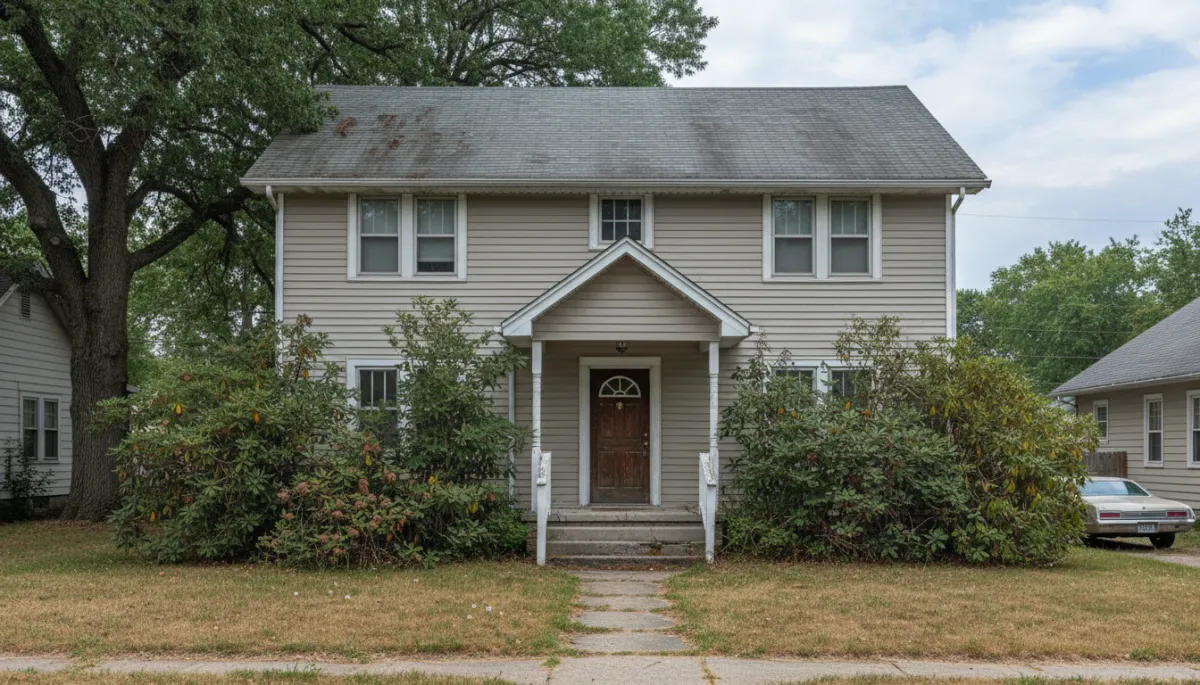
The best flips start with solid structures that mainly need thoughtful cosmetic updates.
Step 4: Renovate with Speed and Quality in Mind
Once you own the property, every day costs money. Renovation speed matters because holding costs can quietly eat into that attractive $50,000 profit you saw on TV. But speed can’t come at the expense of quality. Flipping is an honest business when you prioritize safety, code compliance, and long‑term livability, not just surface‑level beauty.
Tackle structural and mechanical issues first: electrical, plumbing, roof, and foundation.
Choose durable, neutral finishes that appeal to a wide range of buyers and reflect a calm, modern palette.
Coordinate contractors efficiently so work flows smoothly without costly delays.
💡 Pro Tip: Aim for a renovation schedule that balances speed with craftsmanship—buyers can feel the difference when a home is thoughtfully finished.
Step 5: Get Ready to Sell with Smart Pricing Strategies
Your flip isn’t complete until the home is sold. This is where pricing strategies become critical. Price too high, and the property lingers on the market, increasing your costs. Price too low, and you leave hard‑earned profit on the table. Study recent sales, days on market, and buyer demand in your chosen neighborhood classification to find the sweet spot.
Consider listing slightly below peak value to generate multiple offers and a faster sale.
Stage the home so buyers can easily picture it as their dream home, not just another listing.
Flipping with Integrity: Profit, People, and Long‑Term Success
House flipping can absolutely deliver the kind of profits you see on TV—sometimes nearly $50,000 in just a few weeks. But the real reward goes beyond the numbers. When you research the market, respect your budget, choose the right houses, renovate with care, and price strategically, you build a business that is both lucrative and honest.
Done right, flipping transforms neglected properties into homes where families can thrive. It improves communities, supports local trades, and helps buyers step into spaces that truly feel like their own. That blend of profit and purpose is what turns a simple flip into a long‑term, sustainable real‑estate career.